How Modern Technology Has Changed Collision Repair Standards

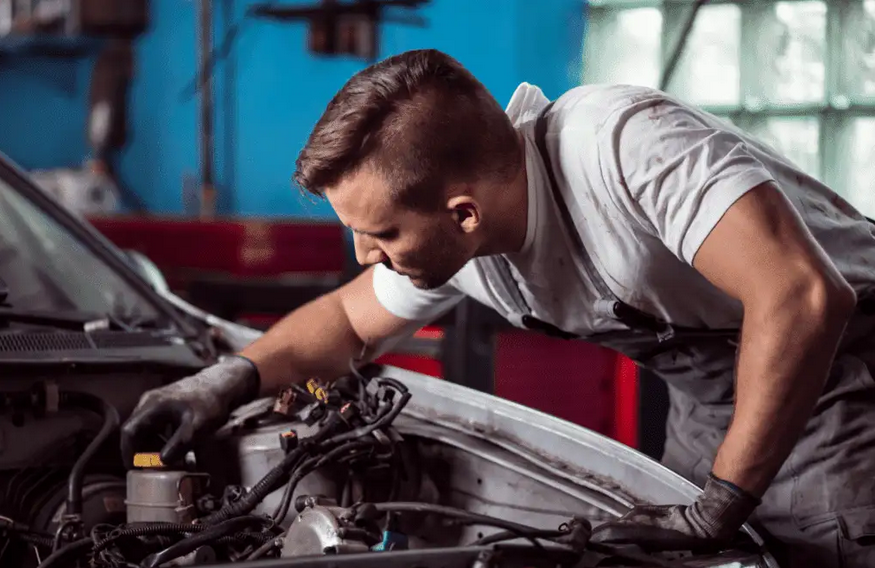
The collision repair industry looks almost nothing like it did twenty years ago. Advanced technology has completely transformed the way technicians diagnose damage, repair vehicles, and ensure quality results. These innovations haven’t just made repairs faster — they’ve made them significantly safer and more precise. 

How Technology Improved Collision Repair

Here’s a closer look at how modern technology continues to raise the bar for collision repair Waterford standards across the industry.

Computerized Damage Diagnostics

Gone are the days when technicians relied solely on a visual walkthrough to assess collision damage. Today, shops use sophisticated computerized scanning tools to pull data directly from a vehicle’s onboard systems. These scanners detect issues with sensors, airbags, and electronic control units that the naked eye simply cannot catch. As a result, technicians build a far completer and more accurate picture of the damage before they ever pick up a single tool.

Advanced Frame Measuring and Straightening Systems

Modern frame repair has reached an impressive level of precision thanks to laser-guided and computerized measuring systems. These tools allow technicians to compare a damaged vehicle’s dimensions against the manufacturer’s exact factory specifications in real time. Previously, technicians relied on manual measurements, which left more room for error. Now, computerized straightening equipment guides the repair process with pinpoint accuracy, ensuring that every vehicle leaves the shop structurally sound and safe to drive.

Computerized Paint Matching Technology

Achieving a perfect paint match used to be a true art form that depended heavily on a painter’s experience and eye. Today, computerized spectrophotometers take the guesswork out of color matching entirely. These devices scan the vehicle’s existing paint and instantly identify the precise formula needed to replicate it. Furthermore, modern mixing systems produce consistent, factory-accurate colors every single time. The end result is a seamless finish that makes repaired panels virtually indistinguishable from the original.

Advanced Driver Assistance System (ADAS) Calibration

One of the most significant changes in modern collision repair is the need to recalibrate Advanced Driver Assistance Systems after an accident. Today’s vehicles rely on cameras, radar, and sensors to power features like lane departure warnings, automatic emergency braking, and blind-spot monitoring. Even a minor collision can knock these systems out of alignment. Consequently, technicians must now use specialized calibration equipment to restore these safety features to factory settings, adding an entirely new layer of responsibility to the repair process.

Repair Information and OEM Procedures

Technology has also revolutionized how repair shops access and apply repair information. Previously, technicians worked from printed manuals that quickly became outdated. Now, shops subscribe to online databases that deliver up-to-date, vehicle-specific repair procedures directly from manufacturers. Additionally, these platforms provide step-by-step guidance on the correct materials, techniques, and torque specifications for every repair. This ensures that technicians always follow the safest and most current methods available.

Conclusion: How Technology Improved Collision Repair

Modern technology has fundamentally elevated what collision repair looks like from start to finish. From computerized diagnostics and precision frame measuring to ADAS calibration and real-time OEM repair data, every advancement pushes the industry toward safer, more reliable outcomes for drivers. As vehicles continue to evolve, collision repair technology will keep pace — and that’s great news for everyone on the road. Working with a shop that embraces these modern standards gives you confidence that your vehicle is truly restored to its safest possible condition.

What to Expect During Your First Session with a Mental Health Therapist

Starting therapy for the first time can feel both hopeful and nerve-wracking. You might wonder what you should say, how personal the conversation will get, or whether you will feel comfortable. These questions are completely normal. 

Things to Expect During Your First Mental Health Therapy

Fortunately, your first session with a Baltimore mental health therapist is designed to help you feel safe, informed, and supported from the very beginning.

Completing Initial Paperwork and Intake Forms

Before diving into conversation, you will usually complete some intake paperwork. This may include basic personal information, medical history, and consent forms. Although paperwork may not feel exciting, it helps your therapist understand your background and any current concerns.

Additionally, these forms explain confidentiality policies and your rights as a client. Knowing that your sessions remain private often brings immediate reassurance. This foundation builds trust right from the start.

Discussing Your Reasons for Seeking Therapy

After paperwork, your therapist will likely ask why you decided to begin therapy. You do not need to have the “perfect” explanation. Simply share what feels most pressing, whether it involves stress, anxiety, relationship challenges, or life transitions.

Your therapist will listen carefully and may ask clarifying questions. This conversation helps them understand your goals and what you hope to gain from therapy. Remember, there is no pressure to share everything at once. You can open up at your own pace.

Reviewing Your Personal and Emotional History

During the first session, therapists often gather background information about your life. They may ask about family dynamics, work experiences, relationships, or past mental health challenges. Although this may feel detailed, it helps them see the bigger picture.

By understanding your history, your therapist can identify patterns that may influence your current concerns. However, you always control how much you share. If a topic feels too sensitive, you can say so. Therapy moves at a pace that feels safe for you.

Learning About the Therapy Process

Your first session is not just about your story. It is also an opportunity to learn how therapy works. Your therapist will likely explain their approach, such as cognitive-behavioral techniques, mindfulness practices, or talk therapy methods.

They may also discuss how often you will meet and what progress might look like. This transparency helps set realistic expectations. Therapy is a collaborative process, and understanding the structure makes it easier to commit fully.

Setting Goals and Next Steps

As the session progresses, you and your therapist will begin identifying goals. These goals might involve managing anxiety, improving communication skills, or building healthier coping strategies. Clear goals give therapy direction and purpose.

Additionally, your therapist may suggest small steps to work on before the next session. These could include journaling, practicing relaxation techniques, or simply observing your thoughts more closely. These early steps lay the groundwork for growth.

Addressing Questions and Concerns

Finally, your therapist will likely ask if you have any questions. This is your chance to clarify anything about confidentiality, scheduling, or treatment methods. Open communication at this stage strengthens your sense of comfort.

If you feel unsure or slightly anxious, share that as well. Honest feedback helps your therapist adjust their approach to better support you.

Conclusion: Things to Expect During Your First Mental Health Therapy

Your first session with a mental health therapist focuses on building trust, understanding your concerns, and setting a foundation for future progress. While it may feel unfamiliar at first, the session is structured to help you feel safe and heard. By approaching therapy with openness and curiosity, you take an important step toward greater emotional well-being and personal growth.